Ethoxylation
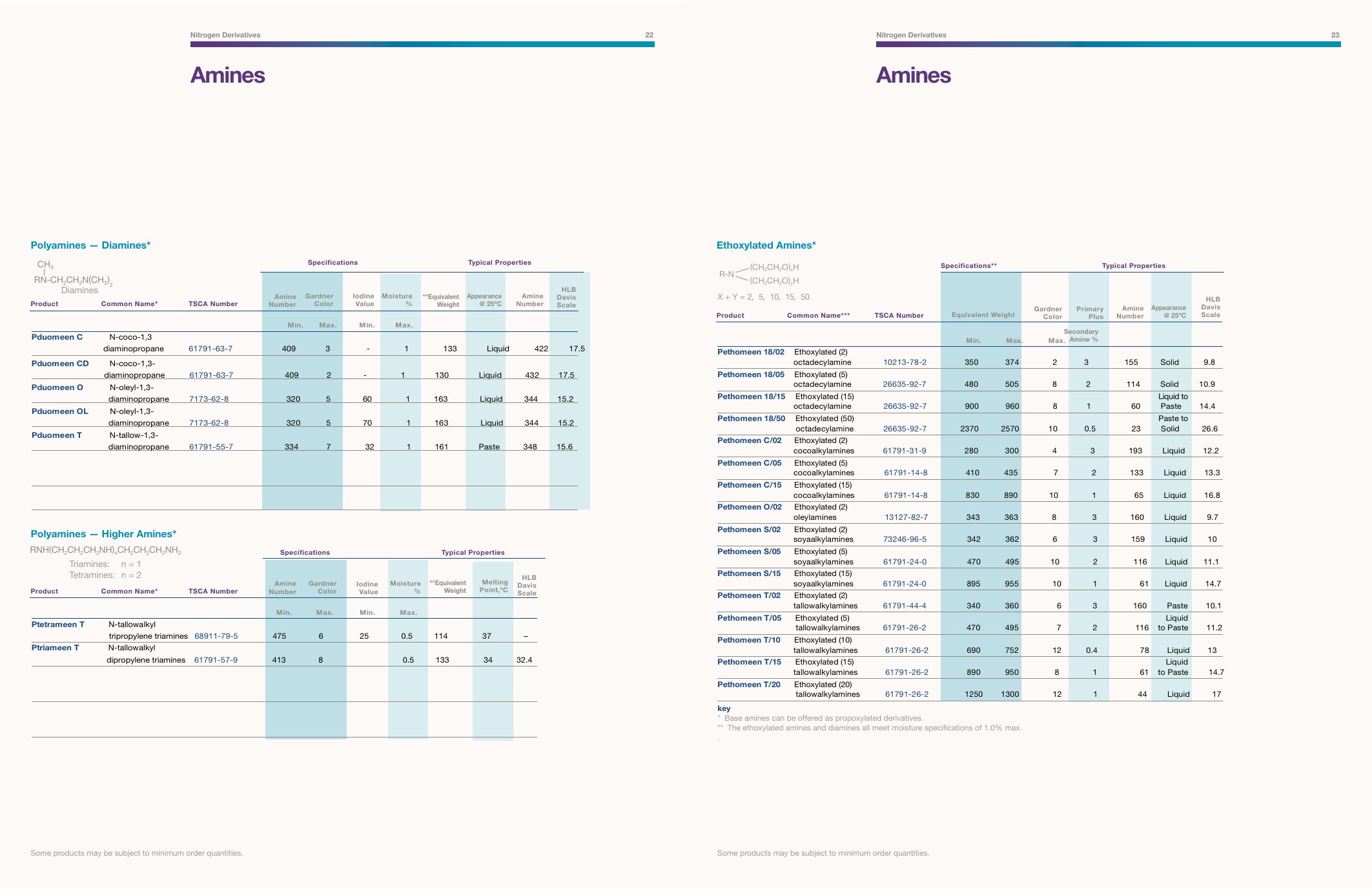
Adjust the degree of ethoxylation to meet the target specification.
We develop specialty products and formulations around your materials, operating conditions and performance targets.
Discuss your requirements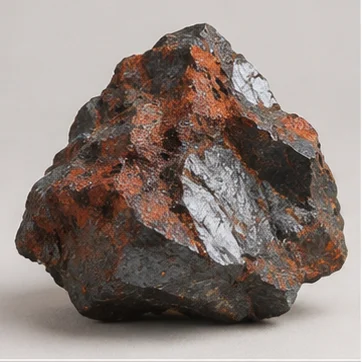
Explore by mineral and processing application.
View details ↗
Surfactants for alkaline cleaning, CIP, bottle washing and aqueous degreasing.
View details ↗
ETHOSTAT internal antistats for PE, PP and BOPP applications.
View details ↗
Oilfield formulation chemistry for production and well stimulation.
View details ↗Tailor-made specialty chemistry for mineral processing, cleaning and polymer applications.
Ethoca Chemical has been serving the chemical industry since 2008, specializing in fine chemicals and surfactants. We develop and supply specialty cationic additives, fatty-amine derivatives and surfactant solutions for industrial cleaning, HI & I, lubricants, coatings, mining, oil & gas and plastics. Supported by branch operations, we work closely with customers to solve formulation challenges and improve product performance.
ETHOCA Chemical develops cationic, anionic and nonionic surfactants and specialty additives. Our own amine feedstocks and access to specialty alcohols give us flexibility to select raw materials and tailor the chemistry to each application.
We start with the feedstock, water chemistry and operating conditions. Our laboratory screens grades and develops formulations against the customer’s targets for selectivity, cleaning performance, foam and stability.
Discuss your application
We adapt reaction conditions and process sequences to each project’s requirements.
Adjust the degree of ethoxylation to meet the target specification.
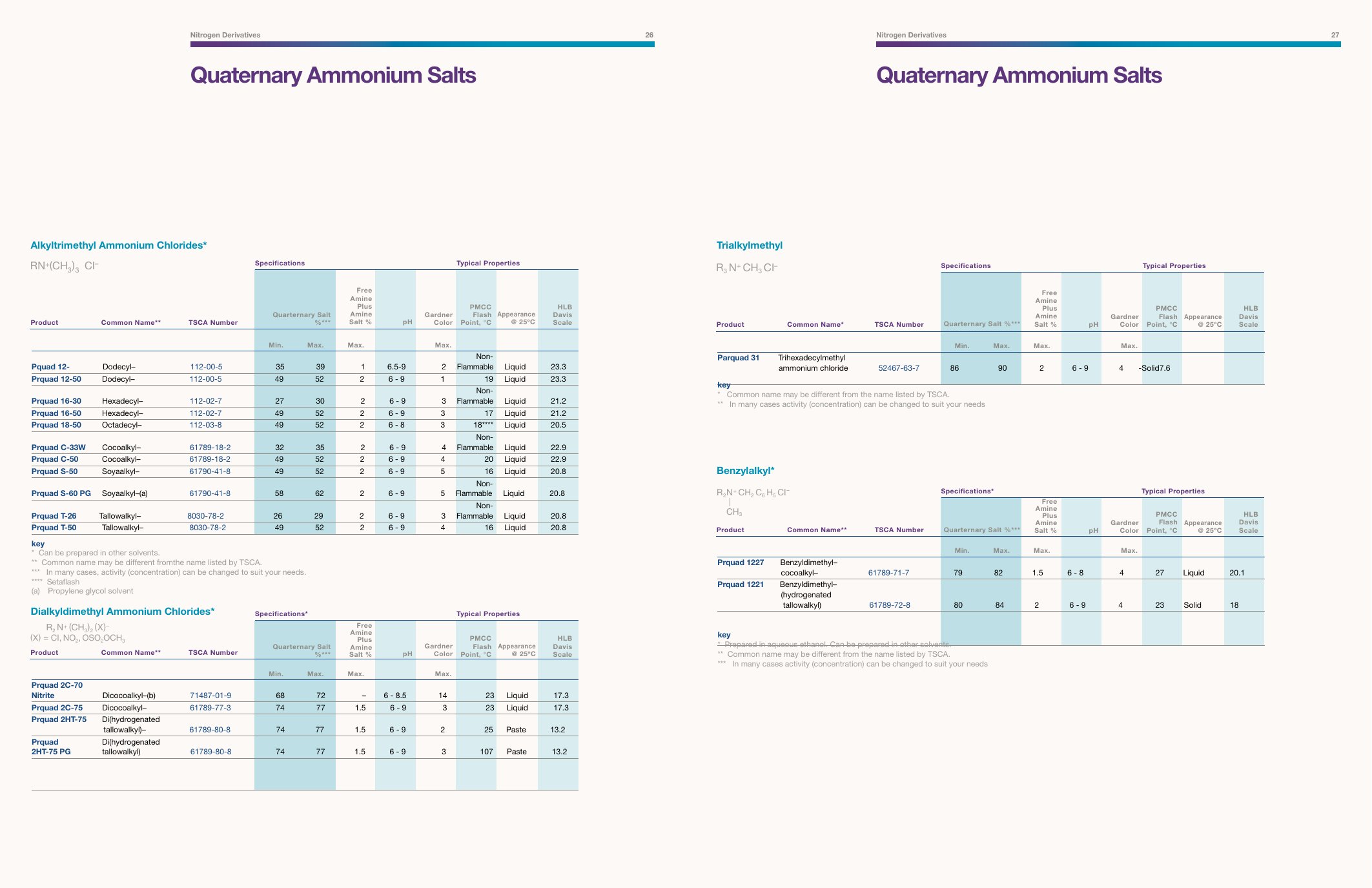
Carry out quaternization as a standalone step or after ethoxylation.
Adjust reaction conditions to meet the target specification.
Adapt the synthesis conditions to the project requirements.
Manufacturing facility
China office
U.S. branch
Find chemistry for your process, substrate and formulation requirements.
Explore by mineral and processing application.
View details ↗Surfactants for alkaline cleaning, CIP, bottle washing and aqueous degreasing.
View details ↗ETHOSTAT internal antistats for PE, PP and BOPP applications.
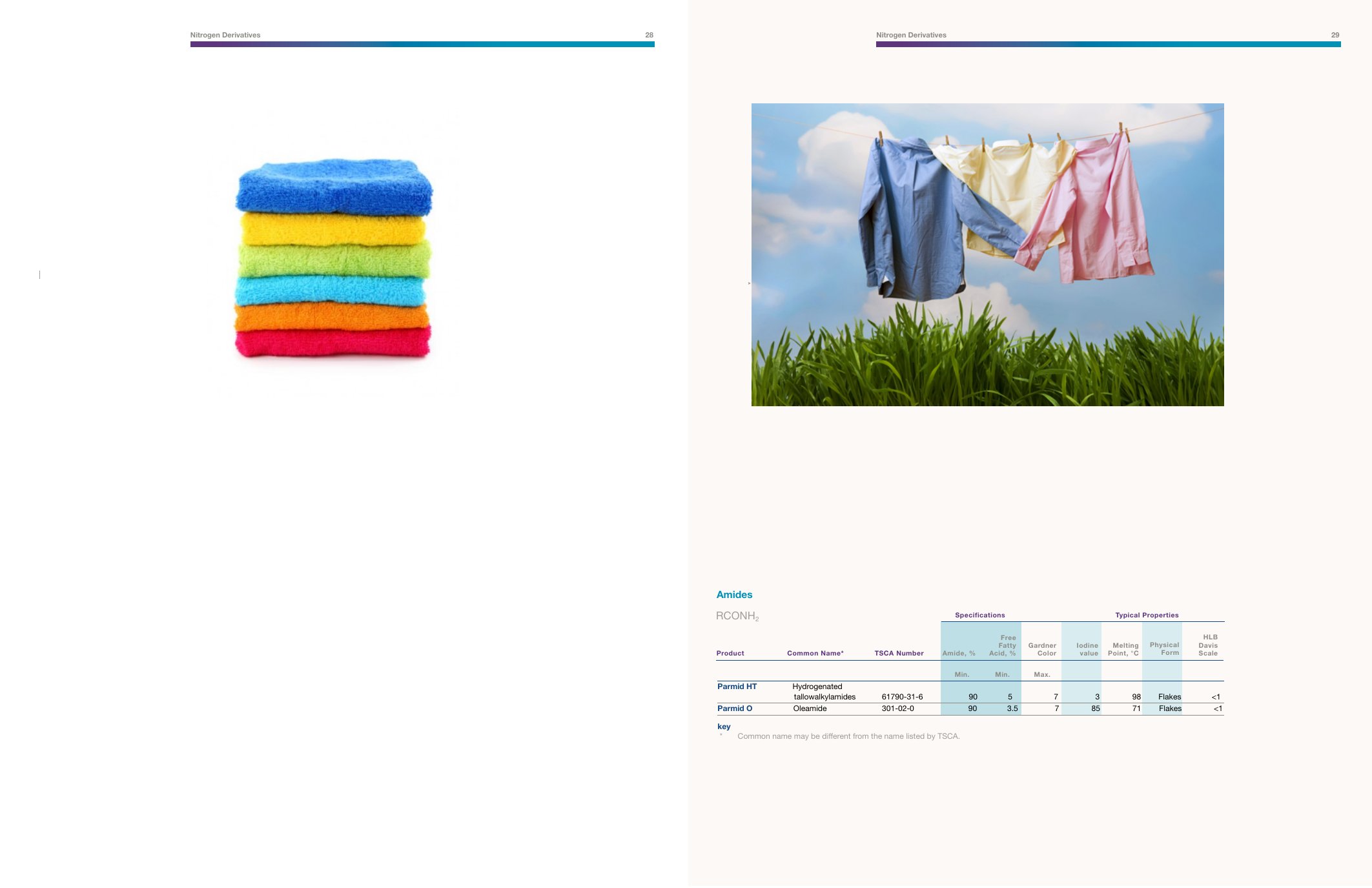
View details ↗Oilfield formulation chemistry for production and well stimulation.
View details ↗Find ETHOCA grades by business area, product family or application.
Browse oilfield products by application ↗
| Grade | Product family | Application |
|---|---|---|
| Parmeen C | Coco alkylamines | Corrosion Inhibitors |
| Armohib CI-41 | Mixed polyamine and tall oil fatty acid imidazoline | Corrosion Inhibitors |
| Parmeen CI-209 | Tall oil imidazoline | Corrosion Inhibitors |
| Parquad O-50 | Oleylalkyltrimethylammonium chloride | Corrosion Inhibitors |
| Pduomeen C | N-coco-1,3-diaminopropane | Corrosion Inhibitors |
| Pduomeen O | N-oleyl-1,3-diaminopropane | Corrosion Inhibitors |
| Pduomeen T | N-tallow-1,3-diaminopropane | Corrosion Inhibitors |
| Pethoduomeen T/03 | Ethoxylated tallow diamine, 3 EO | Corrosion Inhibitors |
| Pethoduomeen T/30 | Ethoxylated tallow diamine, 30 EO | Corrosion Inhibitors |
| Pethomeen C/02 | Ethoxylated coco alkylamines, 2 EO | Corrosion Inhibitors |
| Pethomeen C/05 | Ethoxylated coco alkylamines, 5 EO | Corrosion Inhibitors |
| Pthomeen T/02 | Ethoxylated tallow alkylamines, 2 EO | Corrosion Inhibitors |
| Pthomeen T/05 | Ethoxylated tallow alkylamines, 5 EO | Corrosion Inhibitors |
| Armeen CD | Distilled cocoamine | Biocides |
| Duomeen C | Coco propylenediamine | Biocides |
| Duomeen CD | Distilled coco propylenediamine | Biocides |
| EQUAD 2.10-50 | Quaternary ammonium chloride | Biocides |
| EQUAD 2.10-70 HFP | Dioctyldimethylammonium chloride (legacy listing) | Biocides |
| EQUAD 2.10-80 | Dioctyldimethylammonium chloride (legacy listing) | Biocides |
| EQUAD 2C-75 | Dialkyl dimethylammonium chloride | Biocides |
| EQUAD CB-50 | Cocobenzyldimethylammonium chloride | Biocides |
| EQUAD MCB-33 | Fractionated coco benzyldimethylammonium chloride | Biocides |
| EQUAD MCB-50 | Fractionated coco benzyldimethylammonium chloride | Biocides |
| EQUAD MCB-50 EP | Fractionated coco benzyldimethylammonium chloride | Biocides |
| EQUAD MCB-80 | Fractionated coco benzyldimethylammonium chloride | Biocides |
| Peduomeen TD | Amphoteric surfactant | Asphaltene Inhibitors |
| Parquad 2C-75 | Coco dimethyl quat | Stimulation |
| Parquad 2HT-75 | Diquaternary amine | Stimulation |
| Pethomeen T/12 | Ethoxylated tallow alkylamines, 2 EO | Stimulation |
| Ethoca 1298 | Branched dodecylbenzenesulfonic acid (DDBSA) | Stimulation |
| Grade | Product family | Applications |
|---|---|---|
| ETHOFLOAT 811 | Mining collectors & process aids | Iron Ore |
| ETHOFLOAT 817 | Mining collectors & process aids | Iron Ore |
| ETHOFLOAT 913 | Mining collectors & process aids | Iron Ore |
| ETHOHIB | Mining collectors & process aids | Phosphate & Apatite, Scheelite & Tungsten, Tantalum & Niobium, Calcite |
| ETHOFLOAT 845 | Mining collectors & process aids | Phosphate & Apatite, Tin & Cassiterite, Scheelite & Tungsten |
| ETHOCA 8303 | Mining collectors & process aids | Phosphate & Apatite, Fluorspar |
| ETHOCA 2015 | Mining collectors & process aids | Phosphate & Apatite |
| ETHOCA 2600 | Mining collectors & process aids | Phosphate & Apatite |
| ETHOCA 811 | Mining collectors & process aids | Phosphate & Apatite |
| ETHOCA 813 | Mining collectors & process aids | Phosphate & Apatite |
| ETHOCA 817 | Mining collectors & process aids | Phosphate & Apatite |
| ETHOFLOAT HTD | Mining collectors & process aids | Potash |
| ETHOFLOAT 18D | Mining collectors & process aids | Potash |
| ETHOFLOAT 169P | Mining collectors & process aids | Potash |
| ETHOHIB S | Mining collectors & process aids | Lithium |
| ETHOCA 8305 | Mining collectors & process aids | Lithium, Scheelite & Tungsten |
| ETHOFLOAT 3030C | Mining collectors & process aids | Lithium, Quartz, Feldspar & Mica |
| ETHOFLOAT 801 | Mining collectors & process aids | Lithium, Tin & Cassiterite |
| ETHOFLOAT 805 | Mining collectors & process aids | Tin & Cassiterite |
| ETHOFLOAT SN | Mining collectors & process aids | Tin & Cassiterite |
| ETHOFLOAT TB-1 | Mining collectors & process aids | Tin & Cassiterite |
| ISOCAR PH89 | Mining collectors & process aids | Scheelite & Tungsten, Tantalum & Niobium, Rare Earths, Calcite |
| ETHOFLOAT NFD | Mining collectors & process aids | Quartz, Feldspar & Mica |
| Grade | Product family | Applications |
|---|---|---|
| ETHONOL 904 | Alcohol ethoxylates | Industrial Degreasing & Metal Cleaning |
| ETHONOL 905 | Alcohol ethoxylates | Industrial Degreasing & Metal Cleaning, Household & Institutional Cleaning |
| ETHONOL 906 | Alcohol ethoxylates | Industrial Degreasing & Metal Cleaning |
| ETHONOL 804 | Alcohol ethoxylates | High-Alkaline Cleaning & CIP |
| ETHOCA 840 | Alcohol ethoxylates | High-Alkaline Cleaning & CIP |
| ETHOCA 1003 | C10 alcohol ethoxylates | Industrial Degreasing & Metal Cleaning |
| ETHOCA 1005 | C10 alcohol ethoxylates | Industrial Degreasing & Metal Cleaning |
| ETHONOL 1303B | Alcohol ethoxylates | Alcohol Ethoxylates |
| ETHONOL 1306B | Alcohol ethoxylates | Alcohol Ethoxylates |
| ETHONOL 1309B | Alcohol ethoxylates | Alcohol Ethoxylates |
| ETHONOL 1203 | Alcohol ethoxylates | Alcohol Ethoxylates |
| ETHONOL 1207 | Alcohol ethoxylates | Alcohol Ethoxylates |
| ETHONOL 1209 | Alcohol ethoxylates | Alcohol Ethoxylates |
| ETHONOL 1602 | Alcohol ethoxylates | Alcohol Ethoxylates |
| ETHONOL 1610 | Alcohol ethoxylates | Alcohol Ethoxylates |
| ETHONOL 1620 | Alcohol ethoxylates | Alcohol Ethoxylates |
| ETHOCA 116 | Alcohol ethoxylates | Industrial Degreasing & Metal Cleaning |
| ETHOCA 096 | Alcohol ethoxylates | Household & Institutional Cleaning |
| APG 6 | Short-chain APGs | High-Alkaline Cleaning & CIP, Returnable Glass Bottle Washing |
| APG 8S | Short-chain APGs | High-Alkaline Cleaning & CIP, Returnable Glass Bottle Washing |
| PETHOQUAD C15 | Hydrotropes & thickeners | Industrial Degreasing & Metal Cleaning |
| ETHONOL 561 | Hydrotropes & thickeners | Hydrotropes and Thickeners |
| ETHOCA 1631 | Hydrotropes & thickeners | Household & Institutional Cleaning |
| ETHOCA 1650 | Hydrotropes & thickeners | Household & Institutional Cleaning |
| PETHOMEEN C/02 | Hydrotropes & thickeners | Hydrotropes and Thickeners |
| PETHOMEEN O/02 | Hydrotropes & thickeners | Hydrotropes and Thickeners |
| PETHOMEEN T/02 | Hydrotropes & thickeners | Hydrotropes and Thickeners |
| PETHOMEEN HT/02 | Hydrotropes & thickeners | Hydrotropes and Thickeners |
| ETHOX T12 | Hydrotropes & thickeners | Household & Institutional Cleaning |
| Alkyl Diamine T | Alkyl diamines | Alkyl Diamines |
| Alkyl Diamine O | Alkyl diamines | Alkyl Diamines |
| ETHOPS 1306 | Phosphate esters | Industrial Degreasing & Metal Cleaning |
| ETHOPS 1309 | Phosphate esters | Industrial Degreasing & Metal Cleaning |
| PA 800 | Phosphate esters | Phosphate Esters |
| PA 120 | Phosphate esters | Phosphate Esters |
| PA 168 | Phosphate esters | Phosphate Esters |
| PA 180 | Phosphate esters | Phosphate Esters |
| PAE 802 | Phosphate esters | Phosphate Esters |
| PAE 1006 | Phosphate esters | Phosphate Esters |
| PAE 1206 | Phosphate esters | Phosphate Esters |
| PAE 1306 | Phosphate esters | Phosphate Esters |
| PAE 1407 | Phosphate esters | Phosphate Esters |
| PAE 1706 | Phosphate esters | Phosphate Esters |
| PAE 1805 | Phosphate esters | Phosphate Esters |
| MP-02 | MP Series | MP Series |
| MP-09 | MP Series | Household & Institutional Cleaning |
| MP-10 | MP Series | Household & Institutional Cleaning |
| MP-15 | MP Series | MP Series |
| MP-O10 | MP Series | Household & Institutional Cleaning |
| ETHOPSANT SMA | Polymeric dispersants | Industrial cleaning, solids dispersion and scale-control screening |
| Grade | Product family | Applications |
|---|---|---|
| ETHOSTAT 300 | Internal antistats | Polymer Additives |
| ETHOSTAT 600 | Internal antistats | Polymer Additives |
| ETHOSTAT 700 | Internal antistats | Polymer Additives |
| ETHOSTAT 1800 | Internal antistats | Polymer Additives |
| ETHOSTAT CC810 | Internal antistats | Polymer Additives |
No products match your search.
Surfactants and formulation additives for water-based cleaning. Match the chemistry to the soil, substrate, alkalinity, temperature and foam profile of your process.
View productsSurfactants for brewery and dairy CIP, caustic concentrates and low-foam circulation.
View applicationWetting, foam control and rinsing in alkaline washing of returnable glass bottles.
View applicationNonionics for aqueous oil removal and co-surfactants for formulation stability.
View applicationFormulation options for kitchen, bathroom, floor and general hard-surface cleaners.
View applicationScreen by carbon chain and EO level for detergency, wetting and emulsification.
Evaluate single-chain C6 and C8 grades for alkaline concentrate clarity and circulation foam.
Compare wetting, foam profile and compatibility in alkaline and hard-surface systems.
Choose additives for concentrate clarity or viscosity and cling.
Compare T and O grades for specialty formulation screening.
Screen NP and OP alternatives against wetting, foam and emulsion stability targets.
ETHOPSANT SMA for mineral deposit control and dispersion of fine solids in industrial cleaning and water systems.
| Formulation challenge | Grades to compare | Practical test |
|---|---|---|
| Oil removal with limited foam | ETHONOL 904 and ETHOCA 1003 | Compare oil removal, dynamic foam and residue at the intended wash temperature. |
| Clarity in highly alkaline concentrates | APG 6 and APG 8S | Check concentrate clarity after storage and dilution, followed by circulation foam and rinsing. |
| Wetting and foam balance | ETHOPS 1306 and ETHOPS 1309 | Compare wetting and foam under matched conditions. Check compatibility on the cleaning substrate. |
| Viscosity and cling | ETHOCA 1631 and ETHOCA 1650 | Screen at the intended pH and measure viscosity, vertical cling and storage stability. |
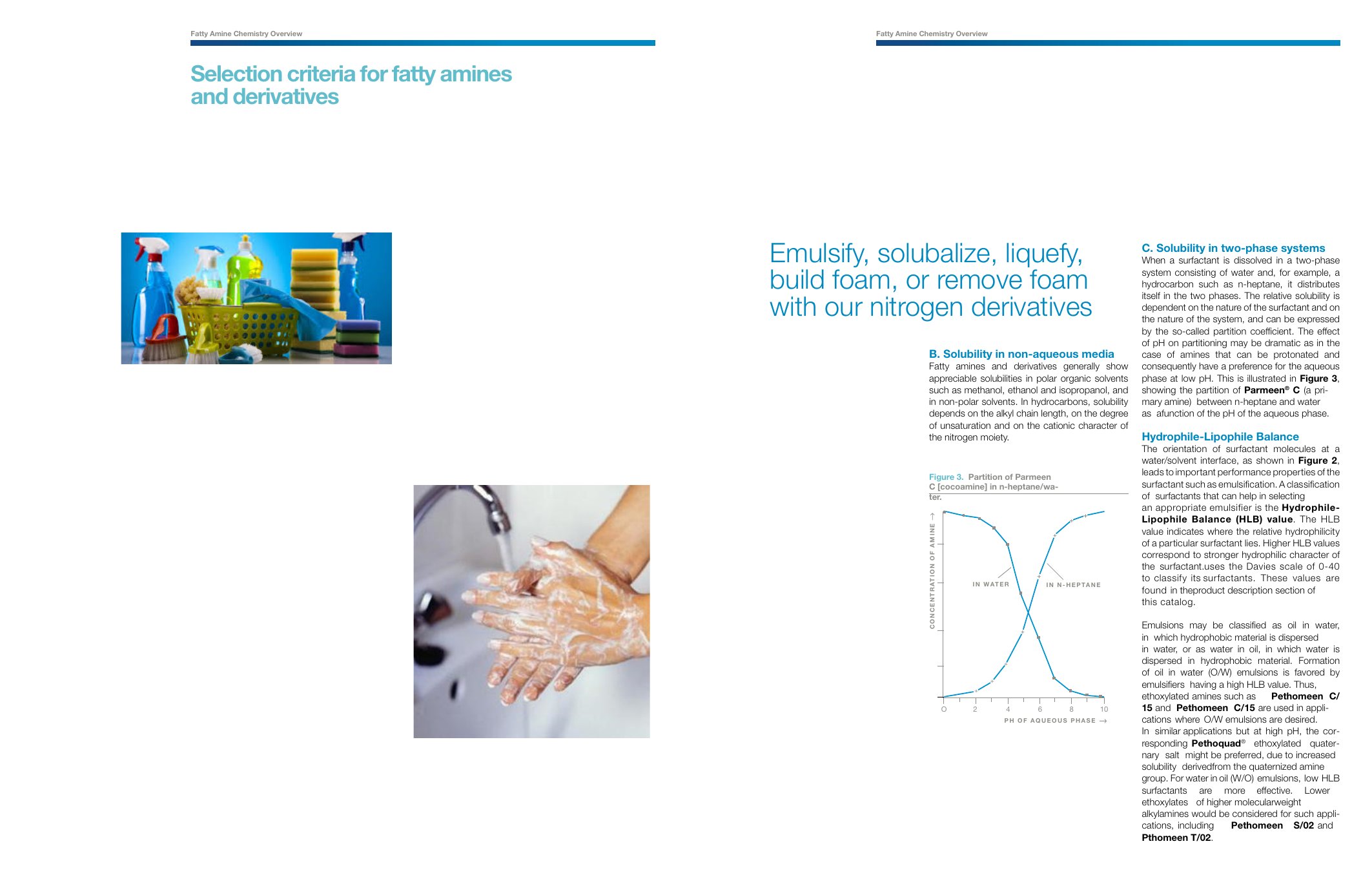
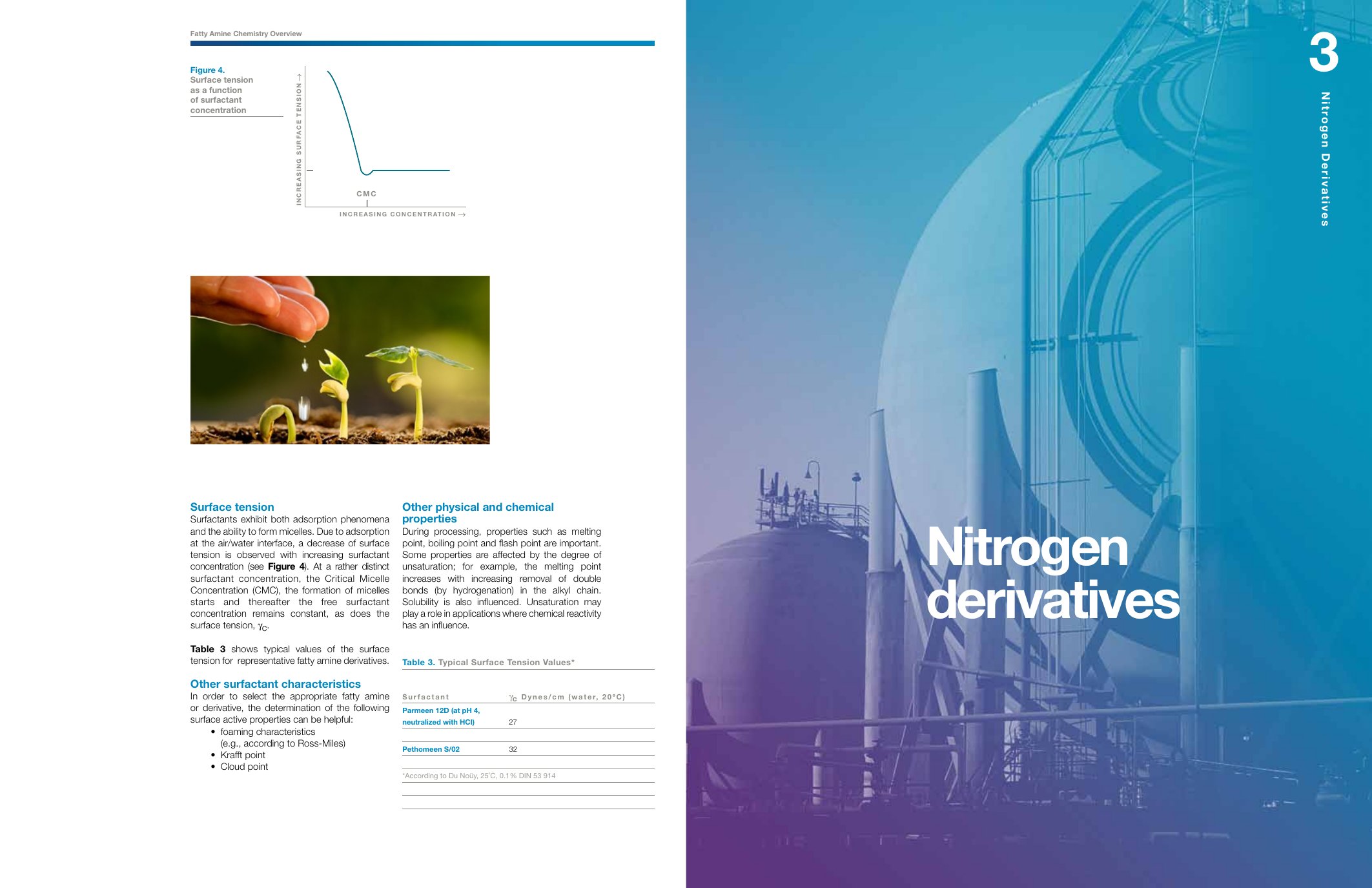
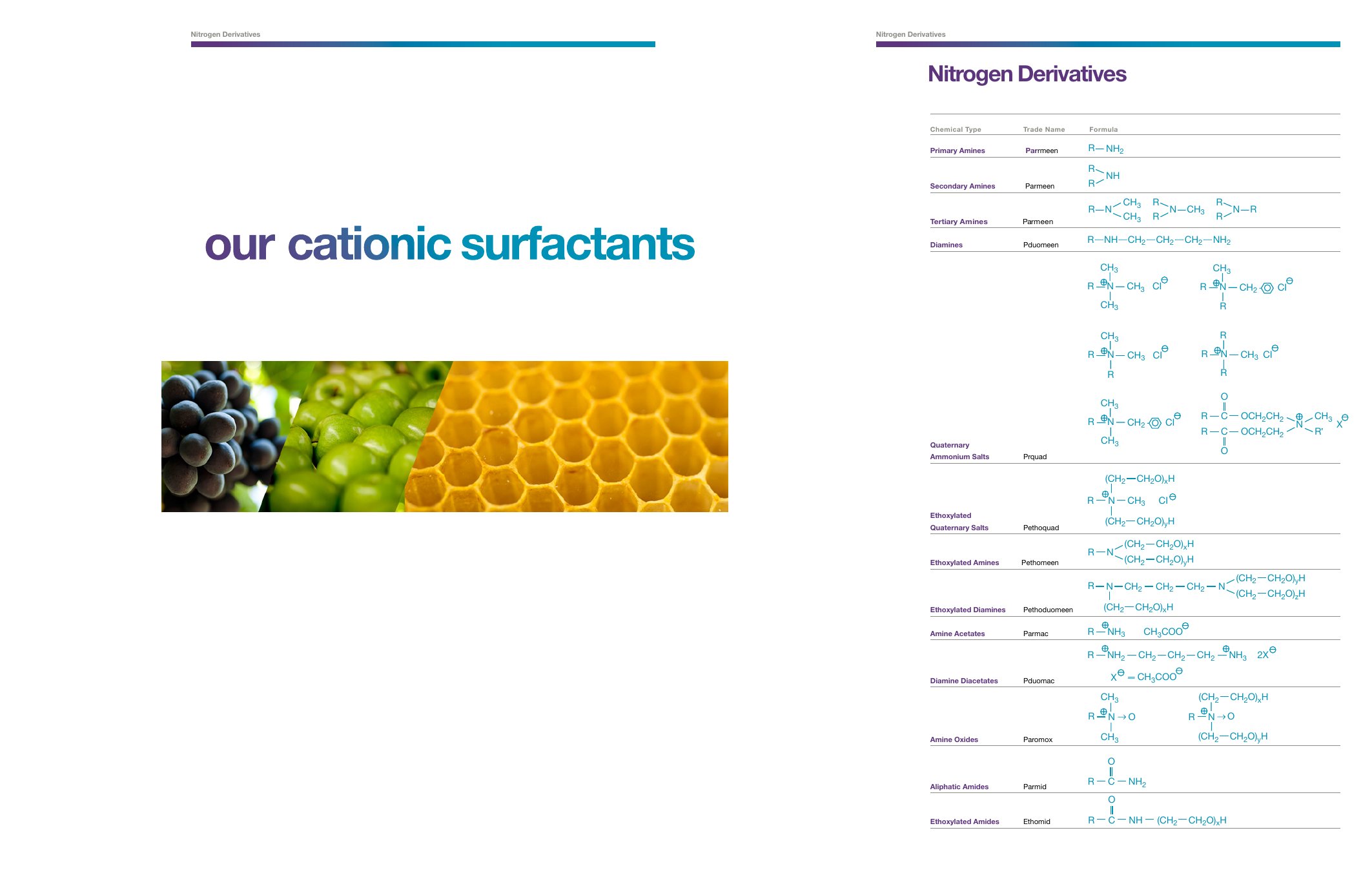
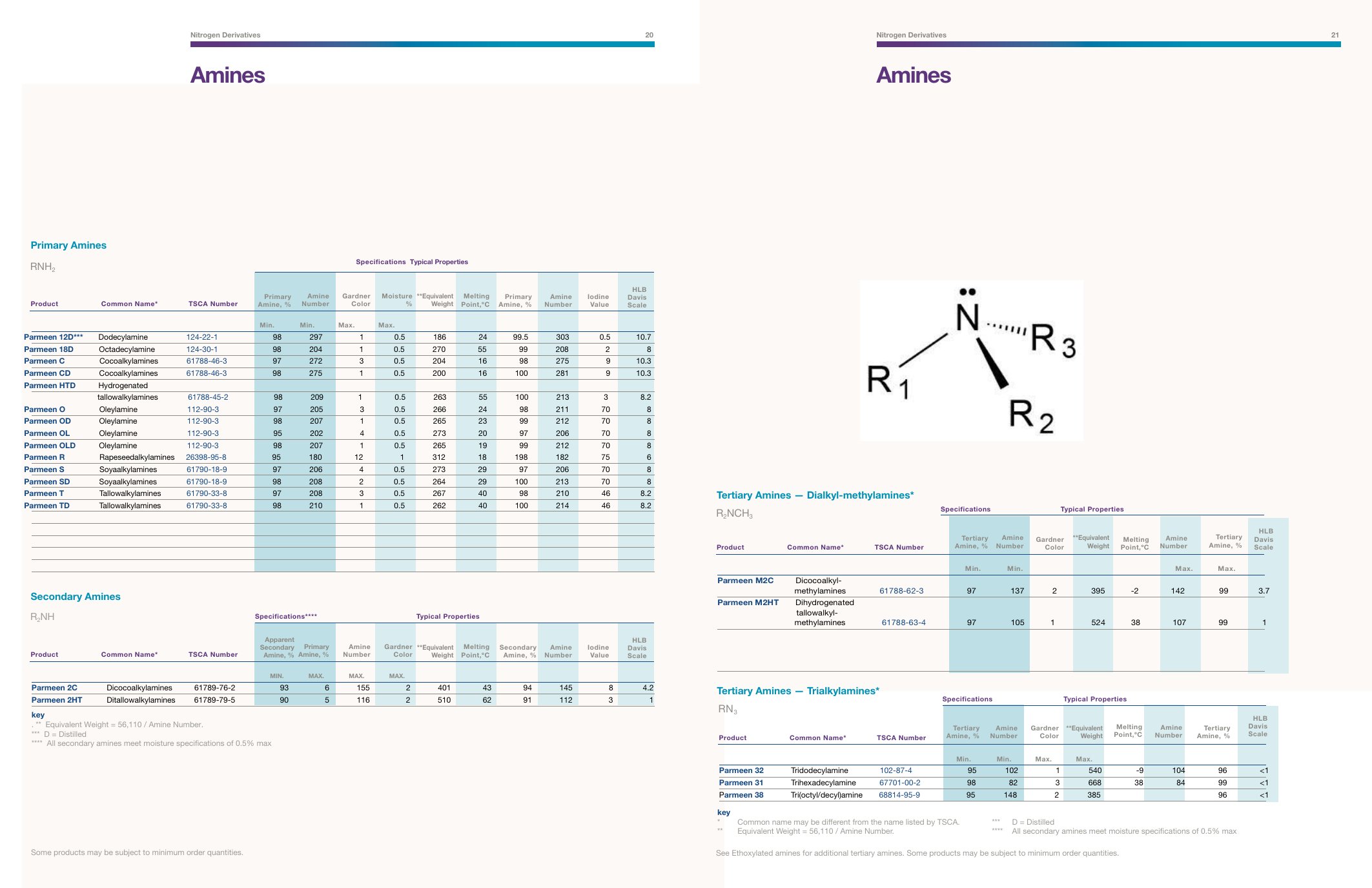
The original catalog includes grade tables and selection guidance for alcohol ethoxylates, hydrotropes, alkyl polyglucosides and phosphate esters.
Open full catalog PDF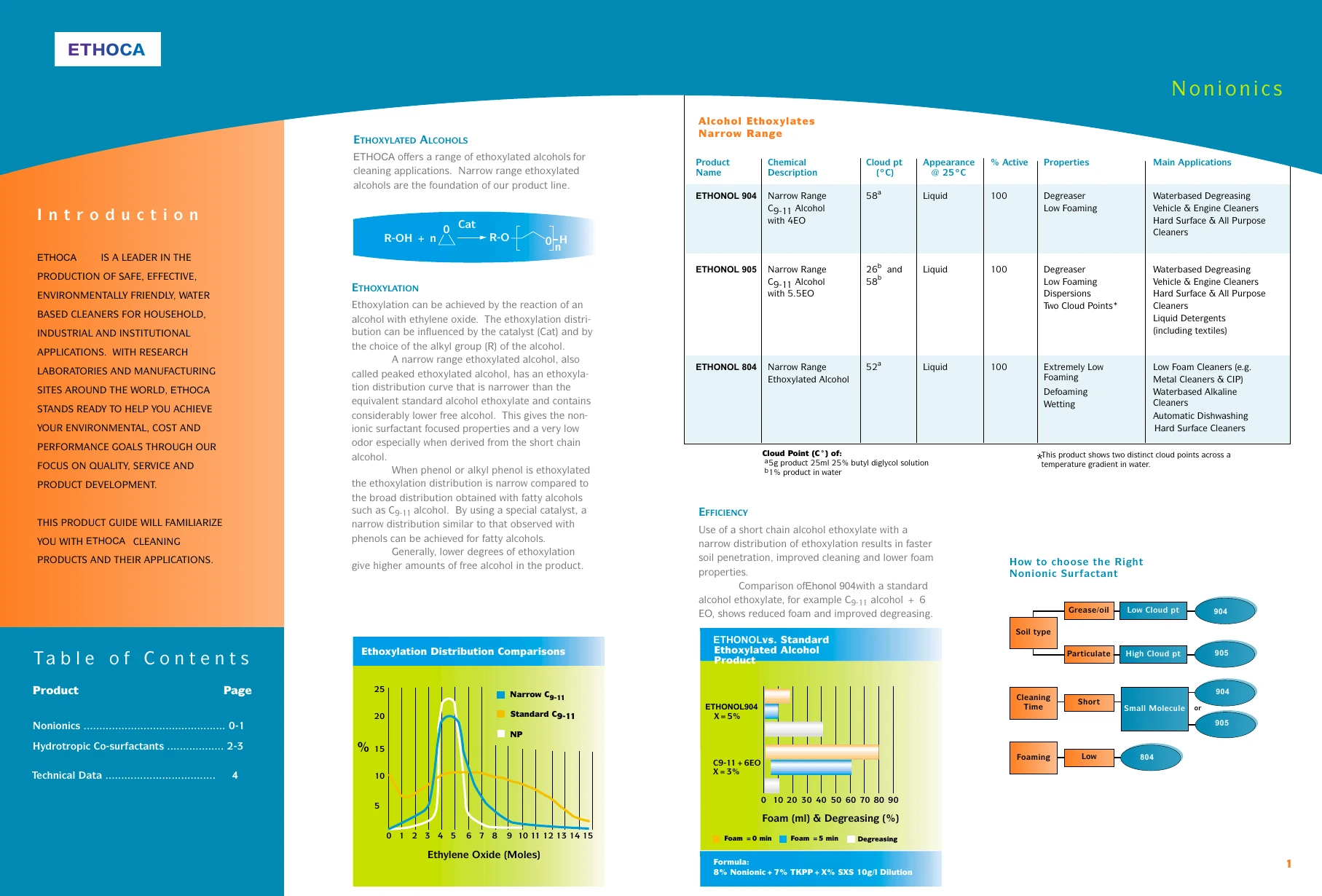
Formulation options for hard surfaces, floors, kitchens and bathrooms.
Select the cleaning surfactant by soil and desired foam. Compare wetting, surface residue and dilution clarity. For vertical-surface cleaners, check viscosity and cling.
Aqueous cleaners for processing oils and fatty soils on industrial surfaces.
Choose a primary surfactant by soil and operating temperature. Check concentrate clarity, foaming and substrate compatibility when adding a hydrotrope or phosphate ester.
| Grade | Role in the formulation | Check during trials |
|---|---|---|
| ETHONOL 904 | Primary nonionic for oily soils | Wetting, foam and oil removal |
| ETHOCA 1003 | Nonionic for cold degreasing trials | Wetting and emulsification at use temperature |
| PETHOQUAD C15 | Cationic hydrotropic co-surfactant | Clarity and compatibility with the surfactant blend |
| ETHOPS 1309 | Low-foam phosphate ester | Foam and compatibility with the substrate |
Low-foam formulation screening for alkaline bottle washers.
Use the target caustic liquor and bottle types. Compare wetting, label and adhesive removal, circulating foam and rinsing under plant conditions.
Brewery and dairy CIP, caustic concentrates and low-foam circulation.
Identify the tank concentration, working-bath temperature, soil and pump conditions. Compare concentrate clarity, circulation foam and rinse endpoints.
| Grade | Role in the formulation | Check during trials |
|---|---|---|
| APG 6 | Short-chain co-surfactant for hydrotropy and wetting | Concentrate clarity, circulation foam and rinsing |
| APG 8S | Short-chain co-surfactant for alkaline systems | Wetting, clarity across dilutions and dynamic foam |
| ETHONOL 804 | Low-foam nonionic | Wetting, dynamic foam and detergency |
| ETHOCA 840 | Low-foam nonionic option | Foam behavior with protein soils |
Nonionic surfactants for wetting, emulsification and cleaning.
| Grade | Carbon chain and EO | Typical properties | Applications |
|---|---|---|---|
| ETHONOL 904 | C9–C11 alcohol · 4 EO | 100% active; liquid; 58°C cloud point [A] | Low-foam aqueous degreasing; vehicle, engine and hard-surface cleaners. |
| ETHONOL 905 | C9–C11 alcohol · 5.5 EO | 100% active; liquid; cloud points 26°C and 58°C [B] | Aqueous degreasing; hard surfaces; liquid detergents and dispersion trials. |
| ETHONOL 906 | C9–C11 alcohol · 6 EO | Contact ETHOCA for grade specifications. | Screen for aqueous hard-surface cleaning and degreasing. |
| ETHONOL 804 | Narrow-range alcohol ethoxylate | 100% active; liquid; 52°C cloud point [A] | Low-foam metal cleaning, CIP and automatic dishwashing formulation trials. |
| ETHOCA 840 | Low-foam nonionic | Specifications on request | Low-foam cleaning and protein-derived foam control trials. |
| ETHOCA 1003 | C10 alcohol ethoxylate for wetting and emulsification | Specifications on request | Cold water-based degreasing and oil emulsification trials. |
| ETHOCA 1005 | C10 alcohol ethoxylate for low-foam cleaning | Specifications on request | Wetting and fatty-soil removal in water-based cleaners. |
| ETHONOL 1303B / ETHONOL 1306B / ETHONOL 1309B | Branched C13 · 3 / 6 / 9 EO | Request grade specifications. | Screen for wetting and emulsification in liquid cleaners. |
| ETHONOL 1203 / ETHONOL 1207 / ETHONOL 1209 | C12–C14 · 3 / 7 / 9 EO | Request grade specifications. | Screen for detergency and emulsification in household and I&I cleaners. |
| ETHONOL 1602 / ETHONOL 1610 / ETHONOL 1620 | C16–C18 · 2 / 10 / 20 EO | Request grade specifications. | Screen for emulsification in formulated cleaners and specialty blends. |
[A] 5 g product in 25 mL of 25% butyl diglycol solution. [B] 1% product in water.
We can tailor the alcohol carbon chain and degree of ethoxylation to your formulation and operating conditions.
Single-chain C6 and C8 alkyl polyglucosides for high-alkaline and low-foam cleaning trials.
Anionic surfactants for wetting, emulsification and selected cleaning formulations.
| Grade | Active content and foam | Applications |
|---|---|---|
| ETHOPS 1306 | 43% active · medium foam | Liquid alkaline detergents, hard-surface and metal cleaning. Screen for solubilization and protein-soil removal. |
| ETHOPS 1309 | 65% active · low foam | Liquid alkaline, metal and hard-surface cleaners where foam control matters. |
Formulation options for replacing NP and OP ethoxylates.
Compare candidates in your finished formulation using the incumbent surfactant as a benchmark.
| Current reference | ETHOCA trial grade | Trial starting point | Check in the finished formula |
|---|---|---|---|
| NP-2 | MP-02 | Oil-soluble nonionic for emulsifier blends | Oil-phase compatibility, emulsion stability and required HLB. |
| NP-9 | MP-09 | General-purpose wetting and detergency for water-based cleaners | Wetting, foam and soil removal under use conditions. |
| NP-10 | MP-10 | Wetting and emulsification for aqueous cleaner concentrates | Cloud point, concentrate clarity and dilution stability. |
| NP-15 | MP-15 | Higher-hydrophilicity emulsifier option | Emulsion stability, clarity and electrolyte tolerance. |
| OP-10 | MP-O10 | Wetting and emulsification in aqueous systems | Dynamic wetting, cloud point, foam and emulsion stability. |
Formulation additives for solubilization and viscosity control.
| Grade | Function | Applications |
|---|---|---|
| PETHOQUAD C15 | Cationic hydrotropic co-surfactant | Water-based heavy-duty degreasing. Check surfactant blend compatibility. |
| ETHONOL 561 | Cationic hydrotrope and dispersing co-surfactant | Water-based degreasing, vehicle and multipurpose cleaners. |
| APG 6 / APG 8S | Nonionic short-chain hydrotropes | Alkaline concentrate clarity, wetting and low-foam CIP trials. |
| ETHOCA 1631 | Specialty thickener | Hydrogen peroxide and acidic cleaners. |
| ETHOCA 1650 | Specialty thickener | Acidic and alkaline cleaners. |
Fatty alkyl diamines for formulation screening.
| Grade | Product type | Specifications |
|---|---|---|
| Alkyl Diamine T | Fatty alkyl diamine | Request grade details |
| Alkyl Diamine O | Fatty alkyl diamine | Request grade details |
Mineral processing teams face tighter concentrate specifications, variable ores and growing pressure to manage water, reagent use and effluent. We select chemistry around the separation at hand, then compare selectivity, grade and recovery on representative feed.
We run bench-scale flotation tests on customer ore samples to screen reagents, compare dosages and evaluate grade, recovery and froth behavior. Based on the results, we recommend flowsheet options for further testing, such as adjustments to conditioning, reagent addition points or flotation stages.
Fine silica can be difficult to reject in reverse flotation without carrying valuable iron into the froth, especially as feed slimes and water chemistry vary.
View details ↗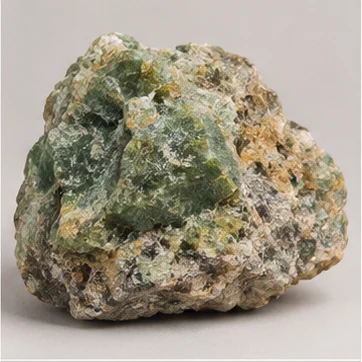
Silica and carbonate gangue require different remove strategies, while excessive froth and phosphate losses can limit the usable collector window.
View details ↗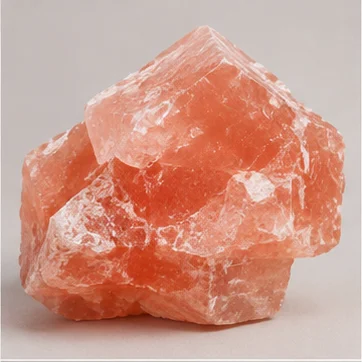
In concentrated brine, slimes and poor collector dispersion can reduce sylvite selectivity and send recoverable KCl to tailings.
View details ↗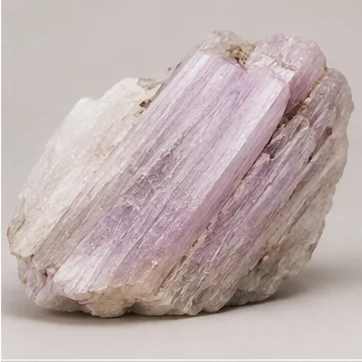
Mica, feldspar and quartz can limit spodumene concentrate grade, while higher collector dosage can increase gangue recovery and froth.
View details ↗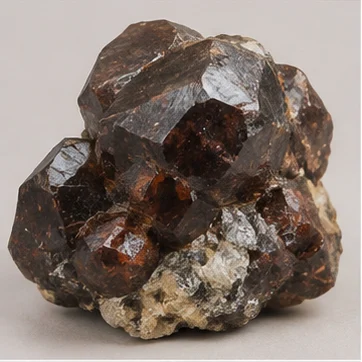
Fine cassiterite can escape gravity recovery, but recovering it by flotation requires controlling the entrainment of fine gangue.
View details ↗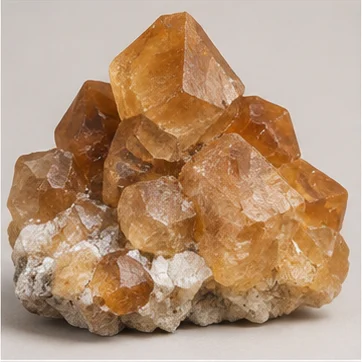
Scheelite, calcite and fluorite share calcium-bearing surfaces, which makes it difficult to reject gangue while maintaining tungsten recovery.
View details ↗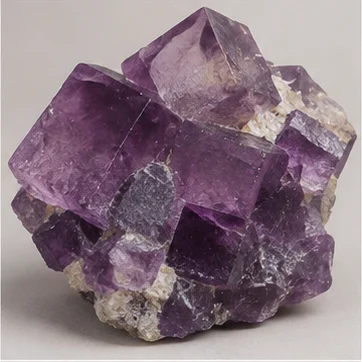
Calcite remove is a recurring challenge in fluorspar flotation, particularly when tighter CaF₂ specifications leave little room for recovery losses.
View details ↗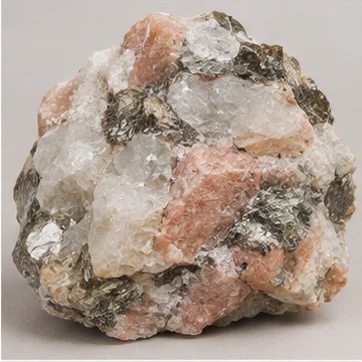
Similar surface responses can narrow the separation window, particularly where plants are evaluating fluoride-free routes.
View details ↗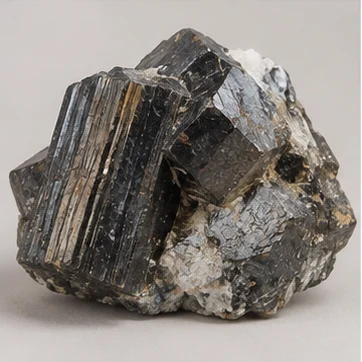
Fine and slimed mineral fractions can carry substantial values, while desliming and gangue entrainment can both reduce overall recovery.
View details ↗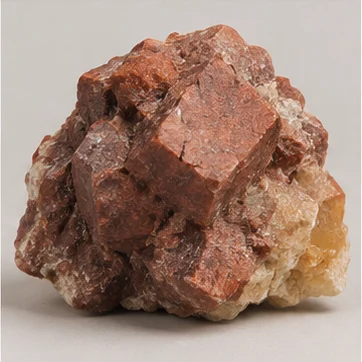
Different rare-earth host minerals and variable gangue associations make it difficult to retain selectivity across changing feed.
View details ↗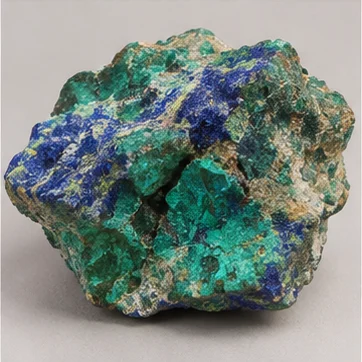
Suspended solids, impurities and changing leach liquor chemistry can slow phase separation and increase entrainment or crud formation.
View details ↗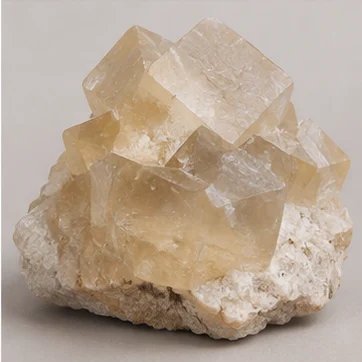
Silica and other finely dispersed gangue can limit calcite purity, while aggressive remove may reduce the yield of saleable product.
View details ↗Screen ether monoamine, ether diamine and blended amine collectors for silica removal from iron ore.
Fine silica can be difficult to reject in reverse flotation without carrying valuable iron into the froth, especially as feed slimes and water chemistry vary.
Select an ether monoamine, ether diamine or blended amine for comparative tests.
Concentrate Fe and SiO₂, iron recovery, collector dose and foam.
We develop ether amine alkoxylates as collector candidates for reverse iron ore flotation. Bench trials can compare silica remove, iron recovery and froth behavior against the current collector under the same water chemistry and operating conditions.
Silica and carbonate gangue require different remove strategies, while excessive froth and phosphate losses can limit the usable collector window.
Choose the collector system around the target stream and the dominant gangue.
P₂O₅ grade and recovery, silica and carbonate remove, and foam behavior.
In concentrated brine, slimes and poor collector dispersion can reduce sylvite selectivity and send recoverable KCl to tailings.
Compare collector response using site brine, with attention to slime content and dispersion.
KCl grade and recovery, slime response and collector dispersion.
Mica, feldspar and quartz can limit spodumene concentrate grade, while higher collector dosage can increase gangue recovery and froth.
Evaluate collectors on representative spodumene feed and compare response by ore type.
Li₂O grade and recovery, and remove of mica, feldspar and quartz.
Fine cassiterite can escape gravity recovery, but recovering it by flotation requires controlling the entrainment of fine gangue.
Compare collector and booster combinations on representative tin-bearing feed.
Tin grade and recovery, fines response and collector dose.
Scheelite, calcite and fluorite share calcium-bearing surfaces, which makes it difficult to reject gangue while maintaining tungsten recovery.
Evaluate direct flotation routes for calcium-bearing tungsten ore.
WO₃ grade and recovery, with fluorite and calcite remove.
Calcite remove is a recurring challenge in fluorspar flotation, particularly when tighter CaF₂ specifications leave little room for recovery losses.
Screen collectors based on the calcite and silica content of the feed.
CaF₂ grade and recovery, carbonate remove and concentrate silica.
Similar surface responses can narrow the separation window, particularly where plants are evaluating fluoride-free routes.
Select the route based on the required quartz, feldspar or mica concentrate. Discuss HF-free quartz and near-neutral feldspar screening.
Product grade, recovery, gangue remove and pH sensitivity.
Fine and slimed mineral fractions can carry substantial values, while desliming and gangue entrainment can both reduce overall recovery.
Compare collector families on classified feed, separating fine and deslimed fractions where relevant.
Ta₂O₅ and Nb₂O₅ grade and recovery, and losses in the slime fraction.
Different rare-earth host minerals and variable gangue associations make it difficult to retain selectivity across changing feed.
Screen collector systems after identifying the rare-earth mineral phases and their association with gangue.
Total rare-earth oxide grade and recovery, mineral selectivity and gangue remove.
Suspended solids, impurities and changing leach liquor chemistry can slow phase separation and increase entrainment or crud formation.
Share the liquor composition and circuit objectives to discuss hydroxyoxime extractant screening.
Copper loading and stripping, phase separation and selectivity.
Silica and other finely dispersed gangue can limit calcite purity, while aggressive remove may reduce the yield of saleable product.
Evaluate fatty-acid and co-collector systems using the actual mineral assemblage.
CaCO₃ grade and recovery, silica remove and foam behavior.
ETHOSTAT internal antistatic additives for polymer films and molded parts.
Evaluate grades 300, 600, 700 and 1800 for PE, PP and BOPP applications.
Bio-based internal antistat for polyolefins, designed for incorporation into masterbatches and compounds.
Request product information| Grade | PE film | PP injection molding | BOPP film |
|---|---|---|---|
| ETHOSTAT 300 | General-purpose option for LDPE packaging film. | Screen in PP homopolymer parts. | Screen for general-purpose static control. |
| ETHOSTAT 600 | Screen in LLDPE film. | Screen where higher processing temperatures are required. | Screen for higher-temperature processing. |
| ETHOSTAT 700 | Screen in PE film where liquid dosing is preferred. | Screen in molded PP where liquid dosing is preferred. | Liquid-dosing option for film trials. |
| ETHOSTAT 1800 | Screen on request. | Solid grade for higher-temperature PP molding trials. | Solid internal antistat for BOPP film trials. |
| ETHOSTAT CC810 | Bio-based option for PE film trials. | Qualification required for molded PP. | Screen for oriented film performance and appearance. |
Product information for grade selection and formulation trials.
Cationic surfactants and specialty chemicals. View the complete 12-page catalog or download the original PDF. ↗
Carbon chain, EO level and cleaning applications.
Compare ETHOPS cleaning grades, PA and PAE series.
Match trial grades to your reference surfactant.
Tell us the grade and documentation you need.
Original ETHOCA product guide. Open PDF.
Mining Gerneral Presentation
Global conferences and industry events in mining and cleaning.
1. In March, Ethoca Chemical attended PDAC 2026 in Toronto, connecting with exploration and mining partners across the critical minerals value chain.
2. In June, Ethoca Chemical attended the 27th World Mining Congress in Lima, joining global discussions on trust, transformation and technology in mining.
3. In August, Ethoca Chemical exhibited at China Mining 2026 in Tianjin, showcasing surfactant and flotation-related solutions for the Asian mining market.
4. In December, Ethoca Chemical will attend Vinyl Week 2026 in Charlotte, North Carolina, focusing on PVC compounding, sustainability and regulatory developments.
No events listed for 2027
No events listed for 2028
No events listed for 2026
No events listed for 2027
No events listed for 2028
For samples, specifications or technical support, tell us about your application.
Low-foam aqueous degreasing; vehicle, engine and hard-surface cleaners.
Screen for oily hard-surface soils and vehicle or engine cleaning. Compare low-foam behavior and soil removal at the intended use temperature.
Aqueous degreasing; hard surfaces; liquid detergents and dispersion trials.
Consider this grade for aqueous degreasing or a liquid detergent. Check clarity and foaming across the intended dilution and temperature range.
Screen for aqueous hard-surface cleaning and degreasing.
Compare this 6 EO grade directly with ETHONOL 904 and 905 to assess the effect of EO level on wetting, clarity and soil removal.
Low-foam metal cleaning, CIP and automatic dishwashing formulation trials.
Assess dynamic foam in the actual circulation loop, then compare wetting, cleaning and rinse performance.
Low-foam cleaning and protein-derived foam control trials.
Cold water-based degreasing and oil emulsification trials.
Wetting and fatty-soil removal in water-based cleaners.
Screen for wetting and emulsification in liquid cleaners.
Screen for wetting and emulsification in liquid cleaners.
Screen for wetting and emulsification in liquid cleaners.
Screen for detergency and emulsification in household and I&I cleaners.
Screen for detergency and emulsification in household and I&I cleaners.
Screen for detergency and emulsification in household and I&I cleaners.
Screen for emulsification in formulated cleaners and specialty blends.
Screen for emulsification in formulated cleaners and specialty blends.
Screen for emulsification in formulated cleaners and specialty blends.
Fatty-soil removal in water-based cleaners. Screen with a compatible co-surfactant.
Nonionic with two reported cloud points for cleaning formulations with different use temperatures.
Hydrotrope and wetting co-surfactant candidate for low-foam, high-alkaline concentrates and CIP.
Check concentrate clarity and stability at the intended alkalinity, then record circulation foam and rinse performance at use dilution.
Screen for alkaline concentrate stability, wetting and foam control in CIP and returnable glass bottle washing.
Screen alongside APG 6 at the same dose and in the same alkaline wash liquor. Record wetting, circulating foam and rinse performance.
Water-based heavy-duty degreasing. Check surfactant blend compatibility.
Water-based degreasing, vehicle and multipurpose cleaners.
Hydrogen peroxide and acidic cleaners.
Acidic and alkaline cleaners.
Consider for thickening acidic, neutral and high-alkaline cleaners.
Fatty alkyl diamine for specialty formulation screening.
Fatty alkyl diamine for specialty formulation screening.
Liquid alkaline detergents, hard-surface and metal cleaning. Screen for solubilization and protein-soil removal.
Compare this medium-foam grade in liquid alkaline and hard-surface formulations when solubilization or protein soil removal is a priority.
Liquid alkaline, metal and hard-surface cleaners where foam control matters.
Consider this low-foam grade for hard-surface or metal cleaning. Check foam, cleaning and compatibility with the substrate.
Phosphated alcohol for wetting and emulsification screening.
Phosphated alcohol for wetting and emulsification screening.
Phosphated alcohol for wetting and emulsification screening.
Phosphated alcohol for wetting and emulsification screening.
Phosphated alcohol ethoxylate for wetting and emulsification screening.
Phosphated alcohol ethoxylate for wetting and emulsification screening.
Phosphated alcohol ethoxylate for wetting and emulsification screening.
Phosphated alcohol ethoxylate for wetting and emulsification screening.
Phosphated alcohol ethoxylate for wetting and emulsification screening.
Phosphated alcohol ethoxylate for wetting and emulsification screening.
Phosphated alcohol ethoxylate for wetting and emulsification screening.
Oil-soluble nonionic for emulsifier blends
General-purpose wetting and detergency for water-based cleaners
Wetting and emulsification for aqueous cleaner concentrates
Higher-hydrophilicity emulsifier option
Wetting and emulsification in aqueous systems
Ether monoamine collector for reverse iron ore flotation and silica remove.
Compare with ETHOFLOAT 817 and 913 on the same feed. Record concentrate Fe and SiO₂, iron recovery, collector dose and froth behavior.
Ether diamine collector for silica remove in reverse iron ore flotation.
Compare with ETHOFLOAT 811 at matched feed conditions and record the grade–recovery response as dosage changes.
Blended amine collector for reverse iron ore flotation.
Test against the straight amine grades and the current plant collector. Compare silica remove, iron recovery and froth behavior.
Sarcosinate collector for direct flotation and co-collector trials.
Select a comparison collector for your ore, then compare concentrate grade, recovery and foam in side-by-side trials.
Collector for phosphate, cassiterite and scheelite screening.
Compare concentrate grade and recovery against the current collector using the same feed and process conditions.
Collector option for phosphate and fluorspar screening.
Use mineralogy to set the trial target. Compare concentrate grade and remove of carbonate or silica gangue.
Collector option for phosphate flotation trials.
Compare P₂O₅ grade and recovery, gangue remove and foam with the current site collector.
Collector option for phosphate flotation comparisons.
Share the target stream and gangue mineralogy so the trial can use the appropriate direct or reverse route.
Collector option for phosphate flotation and silica remove trials.
Track silica remove alongside phosphate recovery and the behavior of the froth.
Collector option for phosphate flotation and silica remove trials.
Compare silica remove and phosphate losses against the current plant collector.
Collector option for phosphate flotation and silica remove trials.
Assess concentrate grade and recovery with the same feed and working water.
Long-chain fatty amine collector for sylvite flotation.
Compare with ETHOFLOAT 18D in site brine. Record KCl recovery, concentrate grade and collector dispersion.
Long-chain fatty amine collector for potash flotation.
Test in representative brine and compare KCl recovery and concentrate grade with ETHOFLOAT HTD.
Phosphate ester process aid for desliming trials on potash feed.
Compare slime removal and subsequent flotation response in site brine.
Sarcosinate collector for spodumene flotation screening.
Compare with ETHOCA 8305 on representative feed. Measure Li₂O grade and recovery and track gangue remove.
Collector option for spodumene and scheelite screening.
For spodumene, compare lithium grade and recovery. For scheelite, compare tungsten recovery and remove of fluorite and calcite.
Collector option for mica and feldspar separation trials.
Define the target mineral product, then check selectivity and recovery across the intended pH range.
Collector option for industrial minerals and complex cassiterite feed.
Evaluate the target concentrate and compare grade and recovery with the current collector on representative ore.
Collector option for complex cassiterite feeds.
Compare with ETHOFLOAT 801 using the same feed. Record tin grade, recovery and response from fine fractions.
Collector for cassiterite flotation.
Measure tin grade and recovery on the target feed and compare against the existing collector.
Proprietary booster for cassiterite flotation.
Run paired tests with and without the booster at the same primary collector dose. Track tin grade and recovery.
Phosphate ester option for mineral flotation screening.
Identify the target mineral and test alongside the reference collector to assess any change in selectivity.
Collector option for hydrofluoric-acid-free direct quartz flotation trials.
Measure quartz grade and recovery together with feldspar and mica remove on the actual feed.
Internal antistat for polymer formulation trials.
Internal antistat for polymer formulation trials.
Internal antistat for polymer formulation trials.
Internal antistat for polymer formulation trials.
Bio-based internal antistat for incorporation into polyolefin masterbatches and compounds.
Incorporate through a masterbatch or compound. Compare static decay and surface resistance at matched humidity, then check film clarity and, for BOPP, performance after orientation.
Evaluate ETHOPSANT SMA in industrial cleaning and water-treatment formulations where suspended solids, iron oxide or mineral deposits are a concern.
Compare against the incumbent polymer at matched active dosage. Track dispersion, settling and deposit formation at the working pH, water hardness and temperature.
Specialty surfactants and formulation building blocks for oilfield chemicals, production operations and well stimulation.
| Reference grade | Chemistry | Physical form | Total active (%) |
|---|---|---|---|
| Parmeen C | Coco alkylamines | Liquid | 99.5 |
| Armohib CI-41 | Mixed polyamine and tall oil fatty acid imidazoline | Liquid | Not reported |
| Parmeen CI-209 | Tall oil imidazoline | Liquid | 99.5 |
| Parquad O-50 | Oleylalkyltrimethylammonium chloride | Liquid | 72 |
| Pduomeen C | N-coco-1,3-diaminopropane | Liquid | 89 |
| Pduomeen O | N-oleyl-1,3-diaminopropane | Liquid/paste | 90 |
| Pduomeen T | N-tallow-1,3-diaminopropane | Solid | 92 |
| Pethoduomeen T/03 | Ethoxylated tallow diamine, 3 EO | Liquid | 97 |
| Pethoduomeen T/30 | Ethoxylated tallow diamine, 30 EO | Liquid | 98 |
| Pethomeen C/02 | Ethoxylated coco alkylamines, 2 EO | Liquid | 97 |
| Pethomeen C/05 | Ethoxylated coco alkylamines, 5 EO | Liquid | 98 |
| Pthomeen T/02 | Ethoxylated tallow alkylamines, 2 EO | Paste | 97 |
| Pthomeen T/05 | Ethoxylated tallow alkylamines, 5 EO | Liquid/paste | 98 |
| Reference grade | Chemistry | Physical form | Total active (%) |
|---|---|---|---|
| Armeen CD | Distilled cocoamine | Pale yellow liquid | 100 |
| Duomeen C | Coco propylenediamine | Yellow liquid/paste | 100 |
| Duomeen CD | Distilled coco propylenediamine | Yellow liquid/paste | 100 |
| EQUAD 2.10-50 | Quaternary ammonium chloride | Request data sheet | — |
| EQUAD 2.10-70 HFP | Dioctyldimethylammonium chloride (legacy listing) | Pale yellow liquid | 70 |
| EQUAD 2.10-80 | Dioctyldimethylammonium chloride (legacy listing) | Pale yellow liquid | 80 |
| EQUAD 2C-75 | Dialkyl dimethylammonium chloride | Yellow liquid | 75 |
| EQUAD CB-50 | Cocobenzyldimethylammonium chloride | Pale yellow liquid | 50 |
| EQUAD MCB-33 | Fractionated coco benzyldimethylammonium chloride | Colourless liquid | 33 |
| EQUAD MCB-50 | Fractionated coco benzyldimethylammonium chloride | Colourless liquid | 50 |
| EQUAD MCB-50 EP | Fractionated coco benzyldimethylammonium chloride | Colourless liquid | 50 |
| EQUAD MCB-80 | Fractionated coco benzyldimethylammonium chloride | Colourless liquid | 80 |
| Reference grade | Chemistry | Physical form | Total active (%) |
|---|---|---|---|
| Peduomeen TD | Amphoteric surfactant | Liquid/paste | 100 |
| Reference grade | Chemistry | Physical form | Charge |
|---|---|---|---|
| Parquad 2C-75 | Coco dimethyl quat | Liquid | Cationic |
| Parquad 2HT-75 | Diquaternary amine | Paste | Cationic |
| Reference grade | Chemistry | Physical form | Charge |
|---|---|---|---|
| Pethomeen T/12 | Ethoxylated tallow alkylamines, 2 EO | Paste | Cationic |
| Ethoca 1298 | Branched dodecylbenzenesulfonic acid (DDBSA) | Liquid | Anionic |
Explore filming and surface-active building blocks for corrosion inhibitor formulations in oil and gas production and transportation.
Film-forming surfactants adsorb on steel and limit contact between production pipework and corrosive fluids. Selection depends on sweet or sour service, operating temperature and whether the formulation uses an aqueous or organic carrier.
| Reference grade | Chemistry | Physical form | Total active (%) |
|---|---|---|---|
| Parmeen C | Coco alkylamines | Liquid | 99.5 |
| Armohib CI-41 | Mixed polyamine and tall oil fatty acid imidazoline | Liquid | Not reported |
| Parmeen CI-209 | Tall oil imidazoline | Liquid | 99.5 |
| Parquad O-50 | Oleylalkyltrimethylammonium chloride | Liquid | 72 |
| Pduomeen C | N-coco-1,3-diaminopropane | Liquid | 89 |
| Pduomeen O | N-oleyl-1,3-diaminopropane | Liquid/paste | 90 |
| Pduomeen T | N-tallow-1,3-diaminopropane | Solid | 92 |
| Pethoduomeen T/03 | Ethoxylated tallow diamine, 3 EO | Liquid | 97 |
| Pethoduomeen T/30 | Ethoxylated tallow diamine, 30 EO | Liquid | 98 |
| Pethomeen C/02 | Ethoxylated coco alkylamines, 2 EO | Liquid | 97 |
| Pethomeen C/05 | Ethoxylated coco alkylamines, 5 EO | Liquid | 98 |
| Pthomeen T/02 | Ethoxylated tallow alkylamines, 2 EO | Paste | 97 |
| Pthomeen T/05 | Ethoxylated tallow alkylamines, 5 EO | Liquid/paste | 98 |
Microbial control is an important consideration in oilfield water systems and production operations.
Sulfate-reducing bacteria can contribute to reservoir souring and microbiologically influenced corrosion. The reference grades below cover fatty amines, diamines and quaternary ammonium compounds. Request current grade documentation and registration details for the intended market.
| Reference grade | Chemistry | Physical form | Total active (%) |
|---|---|---|---|
| Armeen CD | Distilled cocoamine | Pale yellow liquid | 100 |
| Duomeen C | Coco propylenediamine | Yellow liquid/paste | 100 |
| Duomeen CD | Distilled coco propylenediamine | Yellow liquid/paste | 100 |
| EQUAD 2.10-50 | Quaternary ammonium chloride | Request data sheet | — |
| EQUAD 2.10-70 HFP | Dioctyldimethylammonium chloride (legacy listing) | Pale yellow liquid | 70 |
| EQUAD 2.10-80 | Dioctyldimethylammonium chloride (legacy listing) | Pale yellow liquid | 80 |
| EQUAD 2C-75 | Dialkyl dimethylammonium chloride | Yellow liquid | 75 |
| EQUAD CB-50 | Cocobenzyldimethylammonium chloride | Pale yellow liquid | 50 |
| EQUAD MCB-33 | Fractionated coco benzyldimethylammonium chloride | Colourless liquid | 33 |
| EQUAD MCB-50 | Fractionated coco benzyldimethylammonium chloride | Colourless liquid | 50 |
| EQUAD MCB-50 EP | Fractionated coco benzyldimethylammonium chloride | Colourless liquid | 50 |
| EQUAD MCB-80 | Fractionated coco benzyldimethylammonium chloride | Colourless liquid | 80 |
Explore specialty formulation chemistry for asphaltene deposition and crude oil compatibility challenges.
As crude moves through production and separation, changes in fluid conditions can destabilize asphaltenes. These heavy aromatic fractions can aggregate and deposit on pipework and safety equipment. A dispersant adsorbs onto destabilized particles to help keep them suspended in the oil phase.
| Reference grade | Chemistry | Physical form | Total active (%) |
|---|---|---|---|
| Peduomeen TD | Amphoteric surfactant | Liquid/paste | 100 |
Explore surfactant chemistry for well stimulation formulations, including acidizing and hydraulic fracturing applications.
In hydraulic fracturing, pressure opens fractures in the reservoir rock. The treatment fluid carries proppant into the fractures to hold them open after pumping stops. For acid treatments, select additives by their role in the fluid.
| Reference grade | Chemistry | Physical form | Charge |
|---|---|---|---|
| Parquad 2C-75 | Coco dimethyl quat | Liquid | Cationic |
| Parquad 2HT-75 | Diquaternary amine | Paste | Cationic |
| Reference grade | Chemistry | Physical form | Charge |
|---|---|---|---|
| Pethomeen T/12 | Ethoxylated tallow alkylamines, 2 EO | Paste | Cationic |
| Ethoca 1298 | Branched dodecylbenzenesulfonic acid (DDBSA) | Liquid | Anionic |
Discuss imidazoline surfactants with ETHOCA. Share your target application and formulation requirements to request grade information or a sample.
Tell us how you plan to use the surfactant, what else is in the formulation and what performance you need. We can discuss suitable grade options and the information available for evaluation.
Compare ETHOFLOAT 811 ether monoamine, 817 ether diamine and 913 blended amine collectors for iron ore reverse flotation.
Screen these ether amine (etheramine) and blended amine collector options using representative feed and process water.
| Grade | Collector chemistry |
|---|---|
| ETHOFLOAT 811 | Ether monoamine |
| ETHOFLOAT 817 | Ether diamine |
| ETHOFLOAT 913 | Blended amine |
Application · Corrosion Inhibitors
Physical form · Liquid
Total active (%) · 99.5
Request a data sheetApplications / Oil & Gas / Corrosion Inhibitors
Mixed polyamine and tall oil fatty acid imidazoline
Application · Corrosion Inhibitors
Physical form · Liquid
Total active (%) · Not reported
Request a data sheetApplication · Corrosion Inhibitors
Physical form · Liquid
Total active (%) · 99.5
Request a data sheetApplication · Corrosion Inhibitors
Physical form · Liquid
Total active (%) · 72
Request a data sheetApplication · Corrosion Inhibitors
Physical form · Liquid
Total active (%) · 89
Request a data sheetApplication · Corrosion Inhibitors
Physical form · Liquid/paste
Total active (%) · 90
Request a data sheetApplication · Corrosion Inhibitors
Physical form · Solid
Total active (%) · 92
Request a data sheetApplication · Corrosion Inhibitors
Physical form · Liquid
Total active (%) · 97
Request a data sheetApplication · Corrosion Inhibitors
Physical form · Liquid
Total active (%) · 98
Request a data sheetApplication · Corrosion Inhibitors
Physical form · Liquid
Total active (%) · 97
Request a data sheetApplication · Corrosion Inhibitors
Physical form · Liquid
Total active (%) · 98
Request a data sheetApplication · Corrosion Inhibitors
Physical form · Paste
Total active (%) · 97
Request a data sheetApplication · Corrosion Inhibitors
Physical form · Liquid/paste
Total active (%) · 98
Request a data sheetApplication · Biocides
Physical form · Pale yellow liquid
Total active (%) · 100
Request a data sheetApplication · Biocides
Physical form · Yellow liquid/paste
Total active (%) · 100
Request a data sheetApplication · Biocides
Physical form · Yellow liquid/paste
Total active (%) · 100
Request a data sheetApplication · Biocides
Physical form · Request data sheet
Total active (%) · —
Request a data sheetApplications / Oil & Gas / Biocides
Dioctyldimethylammonium chloride (legacy listing)
Application · Biocides
Physical form · Pale yellow liquid
Total active (%) · 70
Request a data sheetApplication · Biocides
Physical form · Pale yellow liquid
Total active (%) · 80
Request a data sheetApplication · Biocides
Physical form · Yellow liquid
Total active (%) · 75
Request a data sheetApplication · Biocides
Physical form · Pale yellow liquid
Total active (%) · 50
Request a data sheetApplication · Biocides
Physical form · Colourless liquid
Total active (%) · 33
Request a data sheetApplication · Biocides
Physical form · Colourless liquid
Total active (%) · 50
Request a data sheetApplication · Biocides
Physical form · Colourless liquid
Total active (%) · 50
Request a data sheetApplication · Biocides
Physical form · Colourless liquid
Total active (%) · 80
Request a data sheetApplication · Asphaltene Inhibitors
Physical form · Liquid/paste
Total active (%) · 100
Request a data sheetApplication · Stimulation · Acid emulsification
Physical form · Liquid
Charge · Cationic
Request a data sheetApplication · Stimulation · Acid emulsification
Physical form · Paste
Charge · Cationic
Request a data sheetApplication · Stimulation · Thickening and anti-sludge
Physical form · Paste
Charge · Cationic
Request a data sheetApplication · Stimulation · Thickening and anti-sludge
Physical form · Liquid
Charge · Anionic
Request a data sheetResources / General Catalog
ETHOCA Chemical · Cationic surfactants and specialty chemicals
Browse all 12 pages below, without requiring an internet connection or a PDF viewer.